The brine is a seasoning

There is a bucket in every professional kitchen that never gets a label, because everyone already knows what it is. It sits low in the coolroom, near the pickles, and it holds liquid that has already done one job and is waiting to do another.
In the kitchens I worked in, that liquid went into vinaigrettes, into braises, into the pan a duck breast had just left. Nobody called it waste. Nobody called it anything. It was simply an ingredient, the way stock is an ingredient, and a cook who poured it down the sink would have been asked, quietly, what exactly they thought they were doing.
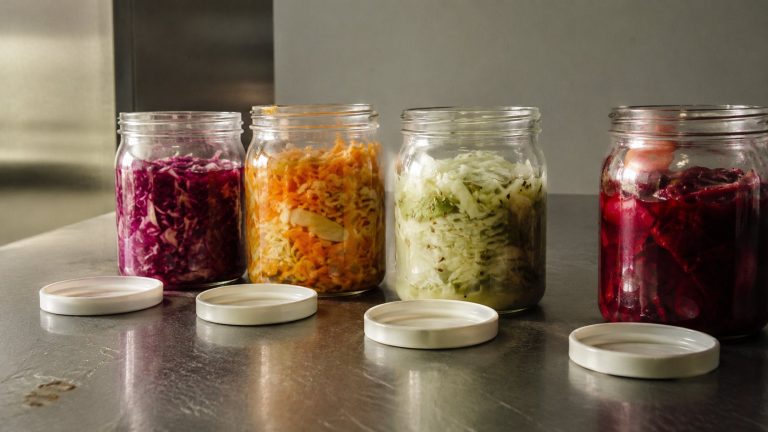
Then I started fermenting at home, and I noticed what home kitchens do with the same liquid. A jar of sauerkraut ends, the cabbage is gone, and a cup of cloudy gold sits at the bottom. Almost everywhere, it goes down the drain.
That cup is the best seasoning in the fridge. This piece is about what is in it, and what to do with it tonight.
What a week in the jar actually makes
Brine is not salty water. It started as salty water, on the day you packed the jar. What sits at the bottom weeks later is something else entirely, because the ferment worked in that liquid the whole time.
While the cabbage fermented, bacteria turned its sugars into lactic acid, and the acid dissolved into the brine. That is the clean, bright sourness you taste in good kraut, and the liquid holds it in concentration. The salt is in there too, at about 2 per cent, along with everything water-soluble the cabbage had to give: sugars, minerals, and the deep savoury notes that build slowly as proteins break down over days.
If the jar was never heated, the brine is also full of the living cultures that did the work. They are a bonus rather than the point, and we will come back to them.
Compare it with vinegar, which is the bottle it usually loses out to. Vinegar is one note, sharp and simple, made in a factory to be exactly the same every time. Brine is sour, salty and savoury at once, and no two jars are quite alike, because each one was made slowly by living things working on a real vegetable. That complexity is why a spoonful of brine does something in a dish that the same spoonful of vinegar cannot.
Chefs have a word for liquids like this. Seasoning. Not an ingredient you build a dish on, but the thing you finish it with, the adjustment that makes everything else taste more like itself. Brine sits somewhere between vinegar and a light stock, and it belongs in the same corner of the bench.

Three ways to use it tonight
In a dressing. This is the easiest door in. Swap brine for vinegar, one for one: brine, olive oil, a spoon of mustard, shaken in the empty jar it came from if you like the economy of that. The dressing comes out rounder than a vinegar one, with a gentle savoury depth underneath the sharpness. One caution, and it is the only one that matters: the brine already carries salt, so taste before you season. Most of the time the dressing needs none at all.
In the pan. Anywhere you would finish with a squeeze of lemon or a splash of wine, brine works, and it brings salt and savour along with the acid. A splash into a pan sauce as it comes together. A ladle into a braise in its last half hour. A tablespoon through fried rice, right at the end, where it does what fish sauce does in other kitchens. The sourness rides through heat untouched, because acids do not care about temperature.
The living cultures do care. Heat ends them, and that is fine. In the pan you are cooking with the flavour the ferment built, and the flavour survives. When the live cultures themselves are what you want, take a spoonful of the kraut cold, on the side of the plate, and let the pan have the brine.
As a marinade. Strip a marinade to what it actually is and you find acid plus salt plus time. Brine is all three in one liquid, already balanced. Chicken thighs sitting in kraut brine for an afternoon come out seasoned all the way through, the way brined meat always does, with a faint sourness that reads as depth rather than pickle. Pork loves it. So do firm vegetables headed for the grill. Pour it off, pat dry, cook as normal.
Keeping it
Brine keeps the way you would hope something that acidic keeps. In a sealed jar in the fridge, it holds for weeks, protected by the same acidity that protected the kraut. Give it the nose test you would give anything else. If it smells wrong, it is wrong, and out it goes.
Shop-bought kraut counts too. If the label says pasteurised, the cultures are gone, but the acid, the salt and the flavour are all still in the liquid, and they are most of what you are cooking with anyway. An unpasteurised jar from the fridge section gives you the living version.
The only real change to make is where it lives. Next time a jar runs out, keep the liquid, and put it where the vinegar stands, because things get used according to where they sit. In the door of the fridge next to the condiments, it becomes part of how you cook. At the back of a shelf, it becomes something you find in October and throw away.
I am not the first to say any of this, and the best version of the case sits in The Noma Guide to Fermentation. Redzepi and Zilber put brine in the same family as Marmite and sake lees, leftovers of fermentation that turned out to be worth keeping in their own right, and their lacto chapter taught me more about this liquid than twenty years of standing next to the bucket ever did. If one book follows this piece home, make it that one.
The whole thing you made
A jar of sauerkraut takes a fortnight of a vegetable’s time and a little of yours. At the end of it you have made two things: the kraut, and a liquid seasoning no shop sells, tuned to exactly the jar it came from.
Using both is not thrift, and it is not a trick. It is what a professional kitchen would do without thinking, and it is the difference between finishing a ferment and finishing half of one.
The bucket in the coolroom never needed a label. Yours just needs a spot in the fridge door.
If you cook with your ferments and wonder what survives the pan, that piece is here.
References
This piece describes uncontested food chemistry rather than study findings: lactic fermentation produces lactic acid, the house salt ratio is 2 per cent, acids are unaffected by cooking heat, and pasteurisation ends live cultures. The linked piece above carries the sources on what survives heat in a cooked ferment.
Further reading: Redzepi, R., & Zilber, D. (2018). The Noma Guide to Fermentation. Artisan Books. The lacto-fermentation chapter makes the same case for keeping the brine, and sets out the safety chemistry behind the 2 per cent salt ratio.

Field Notes Weekly
One Field Note. Every Monday. Mechanism first, no wellness language.