Give the jar a job
People who successfully built a daily habit did not do it by trying harder. They attached it to something that was already happening, and the range of how long it took was 18 to 254 days.
What the studies actually say.

People who successfully built a daily habit did not do it by trying harder. They attached it to something that was already happening, and the range of how long it took was 18 to 254 days.

The Stanford trial everyone quotes did not test a spoonful of sauerkraut. It tested six servings a day of six different foods, for six weeks, and its main outcome did not move.

Researchers hid a pump under a soup bowl so they could feed you one lunch and show you another. Three hours later, it was the one you saw that predicted your hunger.

Fermented, live and probiotic are not three grades of the same thing. They answer three different questions, and the industry body that defined them says so.

Going to the toilet every day and measuring how long food takes to pass through you are different things. A study using blue muffins makes the distinction unusually clear.

Your gut makes most of the body’s serotonin and it stays there, running digestion. Your brain cooks its own from the same tryptophan. What the label gets wrong.
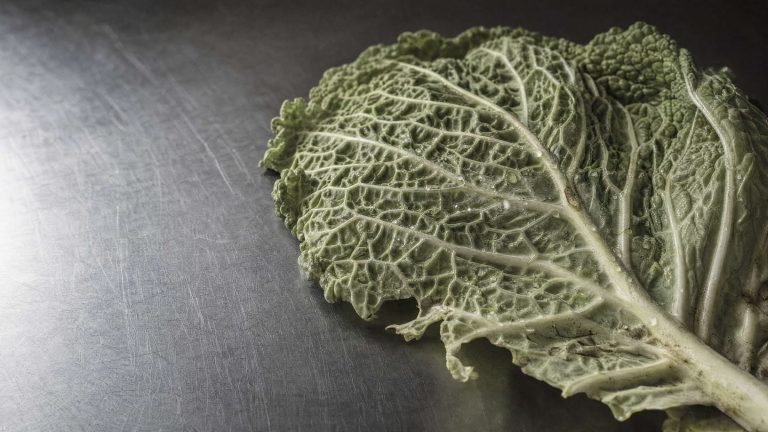
Three handovers, soil to plant, plant to plate, plate to you. The mineral link is weaker than the culture believes. The microbial one is stronger than expected.
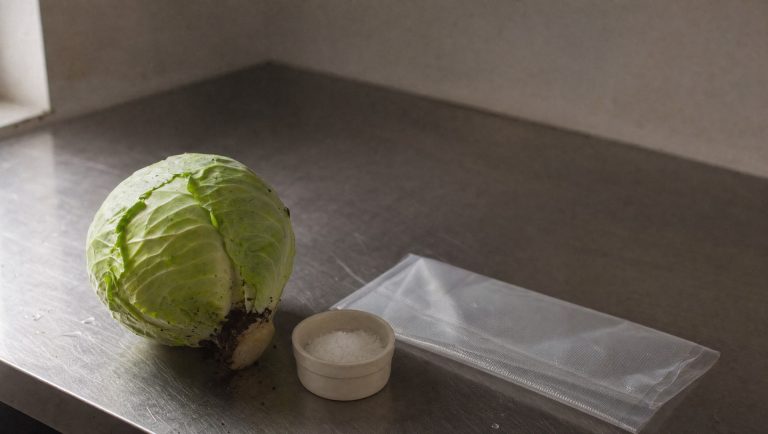
You do not add life to a ferment or to soil. You feed the community already there. The same rule runs in the ground and in your gut.
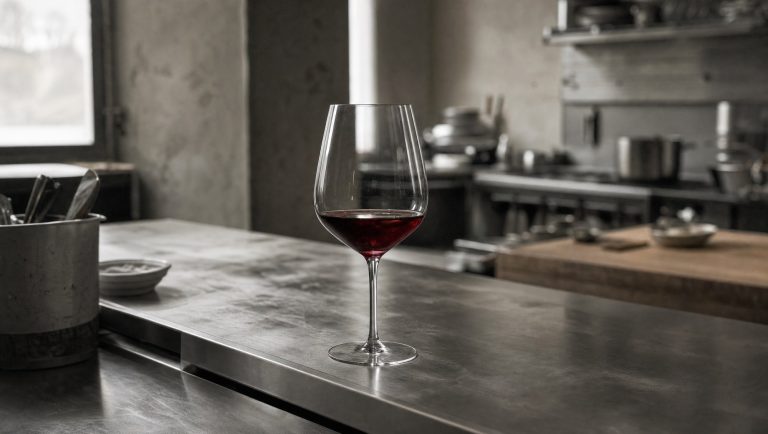
The relationship between red wine and gut health is more nuanced than the standard advice suggests. Here is what the research actually shows about polyphenols, dose, and the Inner Ecosystem.
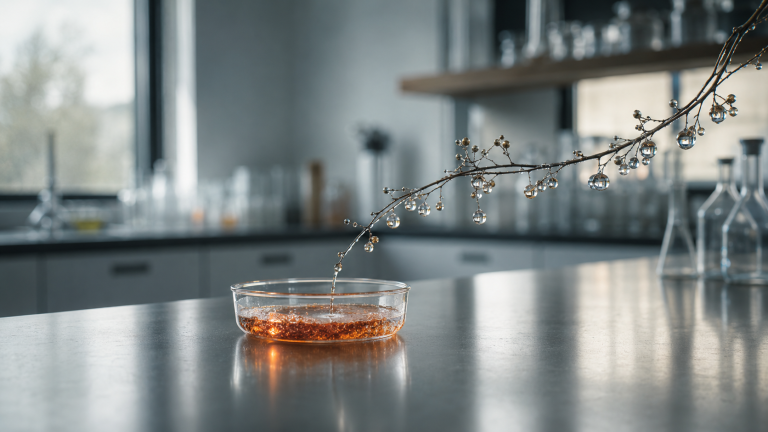
The gut-brain axis connects your gastrointestinal tract to your central nervous system through four distinct channels. Understanding how it works, and what disrupts it, is more practically useful than any individual supplement or protocol.