The iron you eat is not the iron you get
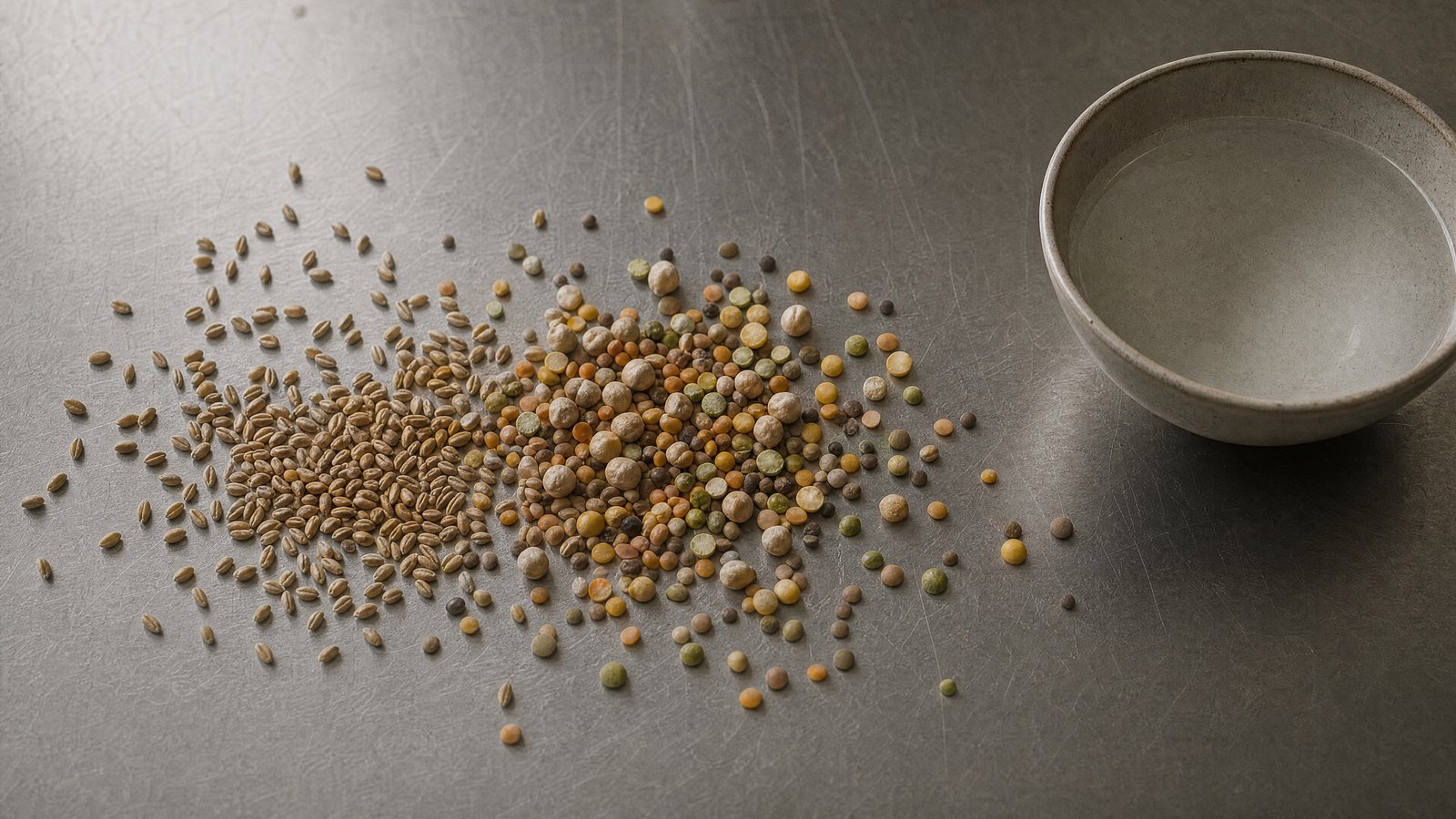
The nutrition panel on a bag of oats is honest. So is the one on the lentils. Iron, zinc, magnesium, all present in respectable numbers, all technically true.
The panel counts what is in the food. It says nothing about what leaves the bowl and reaches your blood. For the minerals in grains, legumes, nuts and seeds, those are two different figures, and the gap between them has a name.
The lock
A seed is built to grow a plant, not to feed you. It stores its minerals bound to a compound called phytate, held in reserve for the seedling that was supposed to use them. Phytate binds iron and zinc into complexes your digestion cannot open, because humans produce almost none of the enzyme that breaks it.
That is the lock. The minerals are present, weighed, printed on the label. A good share of them pass through you still locked.
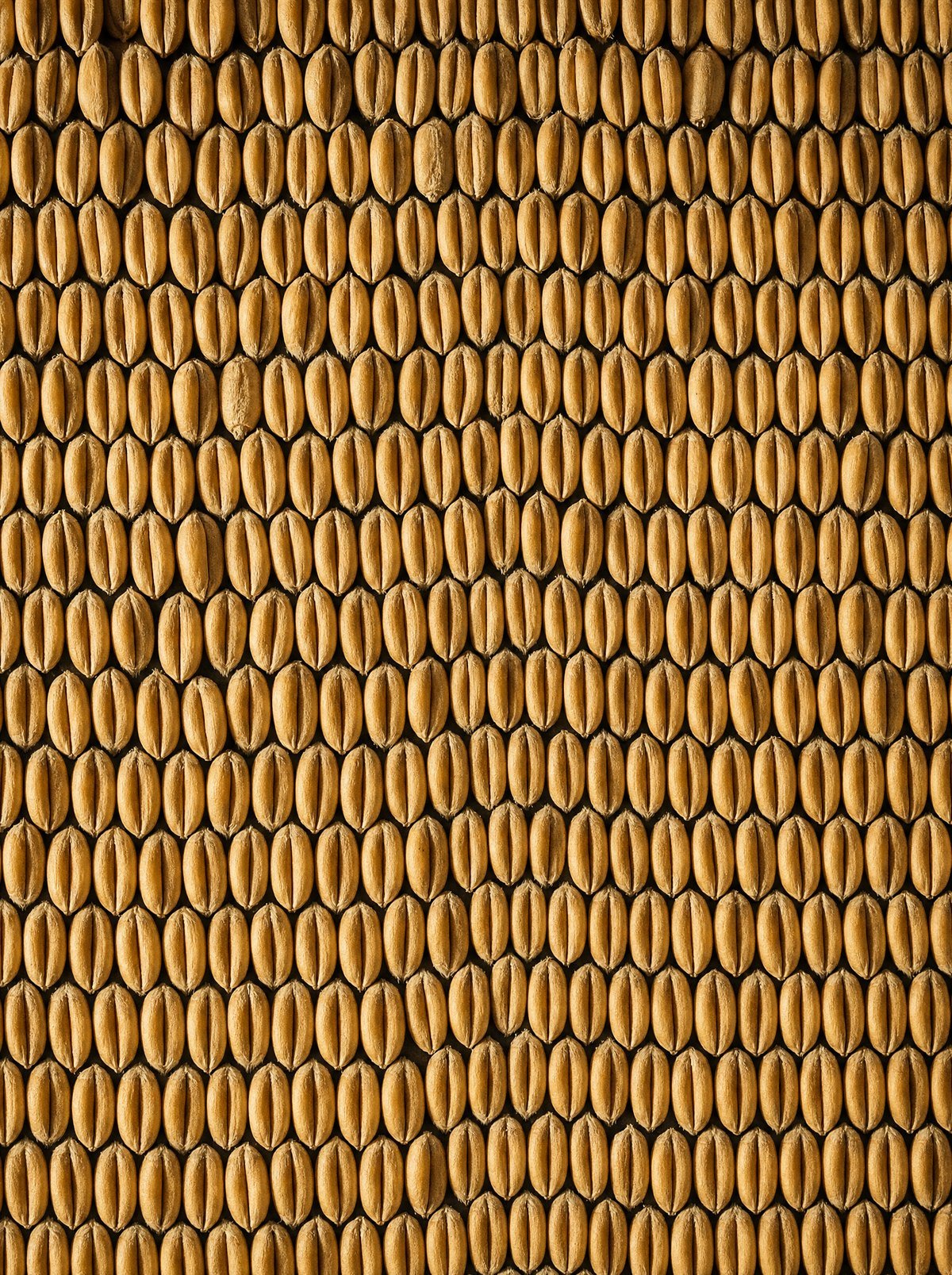
The size of the problem is measurable. Chemists estimate reachable iron by the molar ratio of phytate to iron, and iron moves freely below a ratio of one. Frontiers in Nutrition put raw maize at 41.4 in 2024.
Fermentation picks the lock. In the same study, spontaneous fermentation cut phytate by 52 per cent. Soaking and germinating the grain first, then fermenting it with a lactic culture, cut it by 86 per cent and brought the ratio from 41.4 down to 6.2.
Those figures belong to maize, and the pattern holds across grains and legumes. 6.2 is not 1. The lock opens most of the way; it does not open fully.
The evidence above describes the food. The human evidence describes the eater, and it is the stronger of the two.
In a randomised, double-blinded crossover trial in the British Journal of Nutrition, women ate the same phytate-rich meal with an oat gruel prepared four ways. Only the version fermented with a live lactic culture raised the iron their bodies actually absorbed. The pasteurised version of the same gruel lost the effect, and so did the versions acidified to match without any ferment at all.
The live culture did the work, not the sourness.
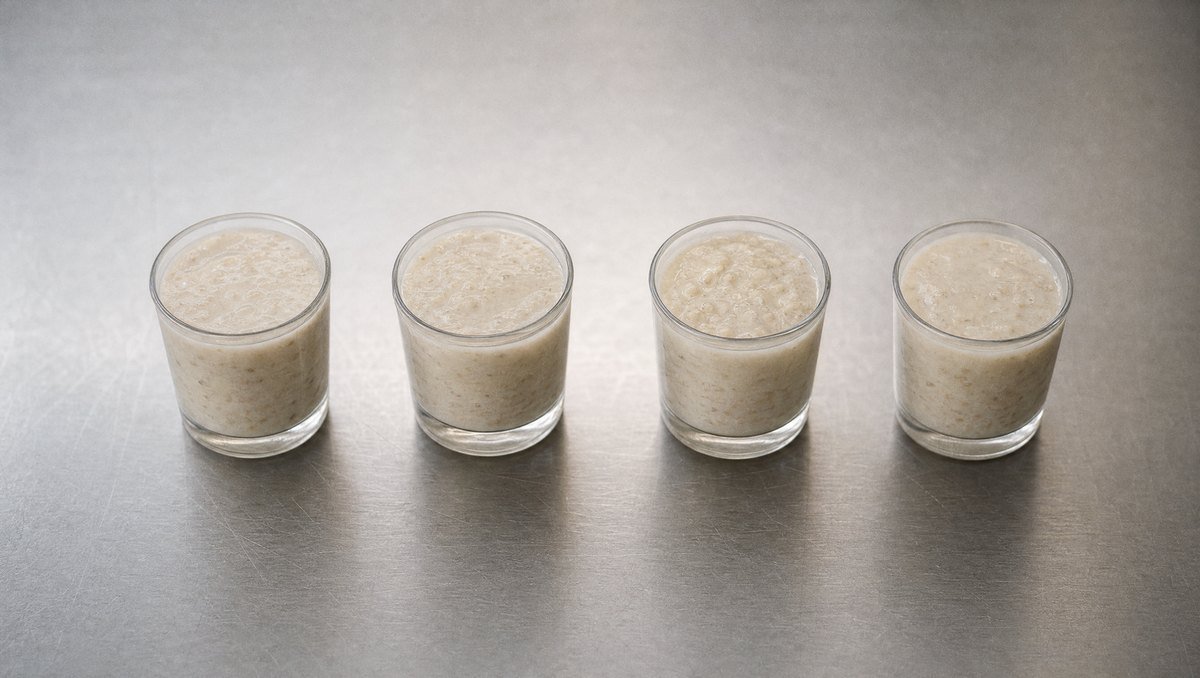
A lab digestion model in the European Journal of Clinical Nutrition points the same direction with numbers attached: fermenting a rice and black gram batter raised iron availability by 277 per cent and zinc by 71 per cent. A model gut, not a person. It reads as the mechanism confirming the trial rather than a promise of its own.
Raw counts the contents, not the access
Here is where the clean-eating reflex gets it backwards. Raw and whole is treated as the automatic peak, on the logic that every process takes something away.
For minerals in seeds, the logic inverts. The raw wholegrain carries the most phytate of any form you can eat it in. Raw maximises what the label counts and minimises what your body collects.
A germinated seed opens its own lock, because sprouting wakes the seed’s phytase to feed the seedling. A fermented one borrows bacteria to do the same job.
Traditional kitchens worked all this out without the chemistry. Sourdough is a long ferment of flour, idli is a fermented batter, and porridge was soaked overnight in kitchens that never heard the word phytate. The technique survived because it worked; the explanation arrived a few centuries later.
Soil practice still matters. So does what you buy.
But week two made the point that where food was grown moves the needle less than what happens to it afterwards. This week moves one step closer to the plate: the biggest mineral decision you make is not at the shop. It happens on your own bench, in the day before the meal.
Opening the lock in a kitchen
None of this needs equipment. It needs time, arranged in advance.
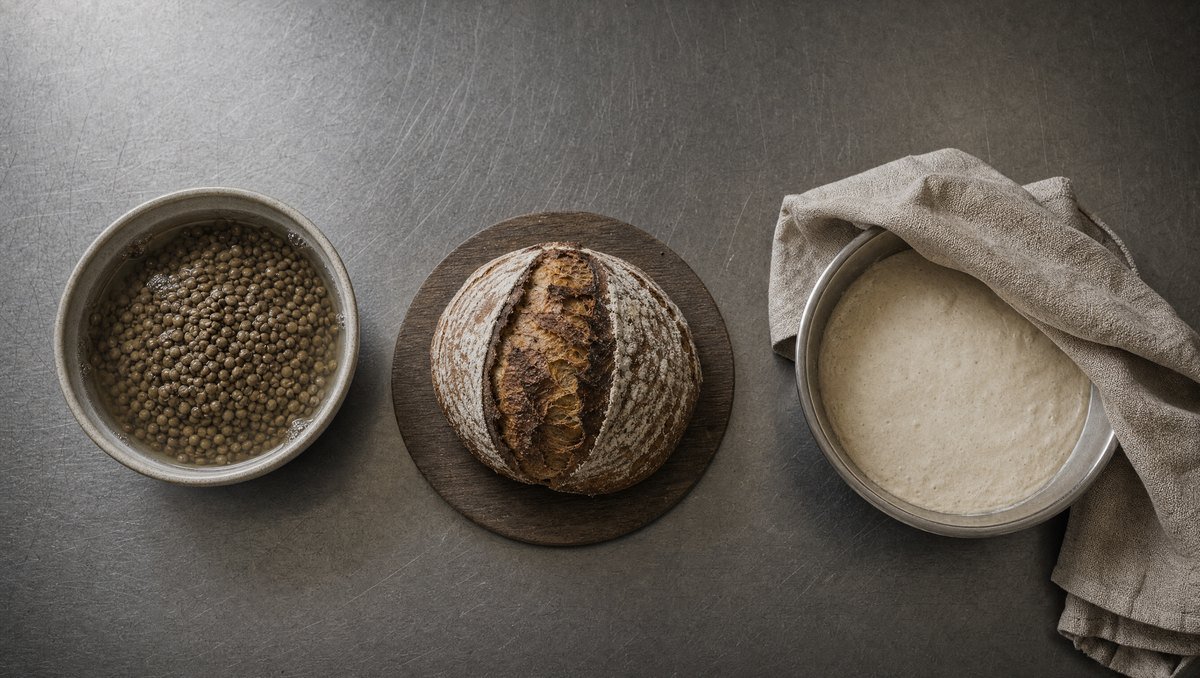
Soak oats, lentils or beans overnight in plenty of water, eight to twelve hours at room temperature, then discard the soaking water. Phytate is water-soluble; some of it leaves in the bowl.
Give bread a real ferment. A sourdough loaf ferments its flour for hours where a supermarket quick loaf does not. Same grain, different lock.
Take one batter further. Rice and split black gram at two to one, soaked, ground, left overnight somewhere warm, is the fermented idli batter from the trial data above. Steam it and you have breakfast with its minerals substantially reachable.
One boundary, plainly. These numbers belong to grains and legumes. The sauerkraut jar earns its place through different mechanisms entirely, and borrowing phytate figures for cabbage would be lending science it never generated.
One link further down the chain
Week one said feed the residents. Week two said the chain from soil to gut runs through the microbes on the surface. This week the chain reaches the bench: fermentation changes what the food surrenders, not just how it keeps.
Next week goes one step stranger: what fermentation leaves behind when the microbes are finished, and why an old tea makes the point better than anything sold in a capsule.
Field Notes Weekly lands every Monday. The protocol depth sits in Protocol Lab.
References
Nsabimana, S., Ismail, T., Lazarte, C. E., et al. (2024). Enhancing iron and zinc bioavailability in maize (Zea mays) through phytate reduction: the impact of fermentation alone and in combination with soaking and germination. Frontiers in Nutrition, 11. https://doi.org/10.3389/fnut.2024.1478155
Bering, S. B., Suchdev, S., Sjøltov, L., et al. (2006). A lactic acid-fermented oat gruel increases non-haem iron absorption from a phytate-rich meal in healthy women of childbearing age. British Journal of Nutrition, 96(1), 80 to 85. https://doi.org/10.1079/bjn20061683
Hemalatha, S., Platel, K., & Srinivasan, K. (2007). Influence of germination and fermentation on bioaccessibility of zinc and iron from food grains. European Journal of Clinical Nutrition, 61(3), 342 to 348. https://doi.org/10.1038/sj.ejcn.1602524
Field Notes Weekly
One Field Note. Every Monday. Mechanism first, no wellness language.